
Florida's abundant sunshine makes it a genuinely strong market for residential solar, but system sizing and roof-specific factors matter more to actual performance than most marketing materials suggest.
Panel Types
- Monocrystalline — the most common residential choice, higher efficiency per square foot, generally the better fit for roofs with limited usable area.
- Polycrystalline — slightly lower efficiency and typically lower cost, a reasonable choice for larger roofs where maximizing efficiency per square foot matters less.
- Thin-film — lower efficiency and less common residentially, occasionally used for specific aesthetic or lightweight-mounting requirements.
For most Tampa Bay homes, monocrystalline panels are the standard recommendation given typical roof area constraints relative to desired system output.
Sizing to Actual Usage
Proper system sizing starts with your actual annual electricity usage (from utility bills), not an assumed standard household size. Oversizing a system beyond what your usage and net metering arrangement can actually offset adds cost without proportional financial benefit, while undersizing means continuing to draw significant grid power despite the investment.
Roof Orientation and Shading
South-facing roof sections typically produce the most consistent output throughout the day; west-facing sections produce more in the afternoon, which can align well with peak home energy usage in the late afternoon and evening. Shading from trees or neighboring structures at any point during the day meaningfully reduces output for the shaded panels specifically — a proper site assessment should model shading across the day and across seasons, not just a single-point-in-time observation.
Roof Condition and Age
Solar panels are typically expected to remain in service 20-25+ years, which is longer than many roofing materials last. Installing solar on a roof nearing the end of its service life often means removing and reinstalling the entire solar system when the roof eventually needs replacement — a significant additional cost. It's generally worth assessing roof condition and remaining lifespan before installing solar, and considering roof replacement first if it's within a few years of being needed anyway.
Net Metering
How excess solar production is credited against your utility bill (net metering) significantly affects the actual financial return of a system, and policies vary and can change over time. Confirming your utility's current net metering terms — not assuming a specific arrangement — is an important part of accurately projecting payback period.
Inverter Choices
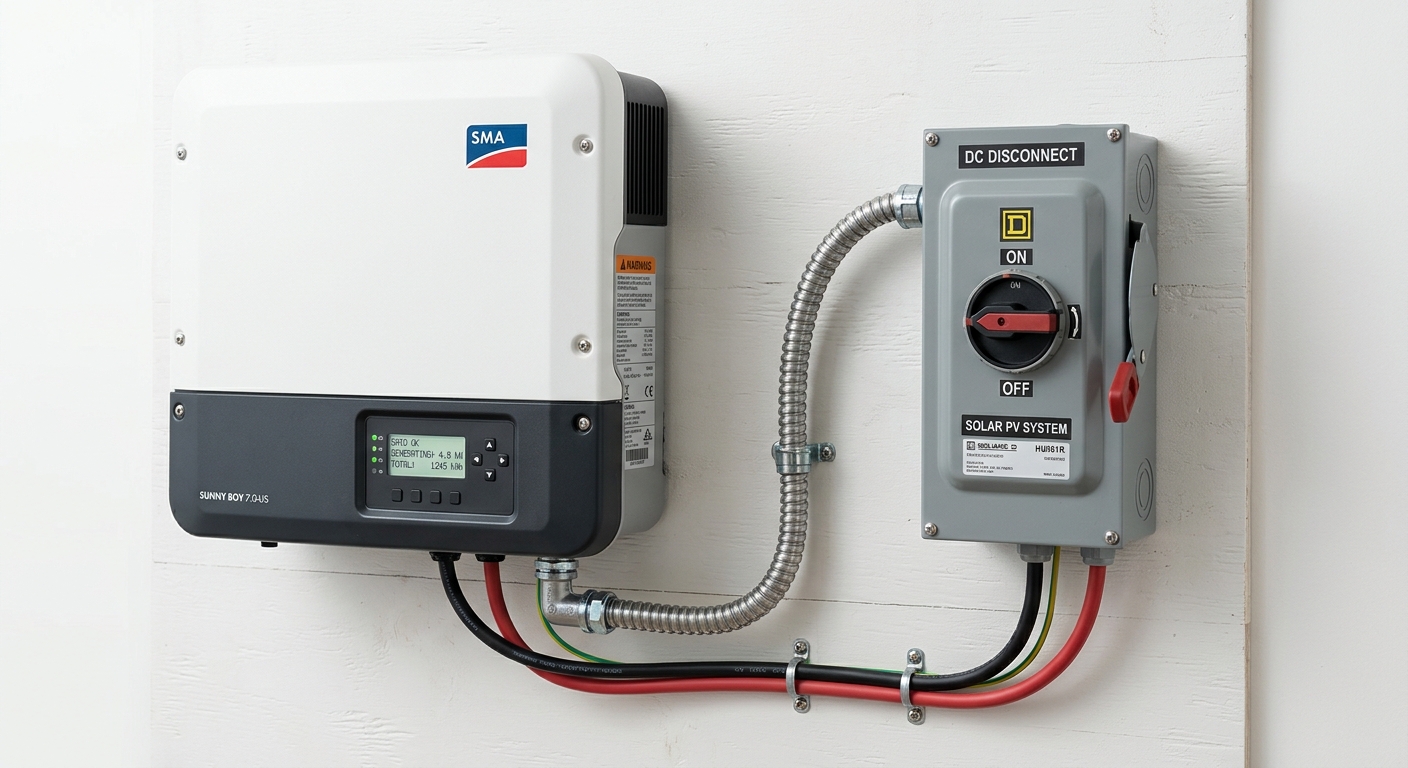
String inverters (a single inverter for the whole system) are generally less expensive; microinverters (one per panel) cost more but mean shading or a fault on one panel doesn't affect the output of the entire array — a meaningful consideration for roofs with any partial shading concerns.
The Bottom Line
Solar performance in Florida is genuinely favorable given the amount of available sunshine, but actual system value depends heavily on correct sizing to usage, roof orientation and condition, and current net metering terms — details worth getting right during the sales and design process rather than assuming a generic system will perform as advertised.