
Unlike many smart home categories, solar and battery installation sits almost entirely on the professional side of the DIY line — for reasons that go beyond convenience.
Why DIY Solar Kits Are Genuinely Limited
Consumer DIY solar kits exist, but they face real practical limits: proper interconnection with the utility grid requires utility approval and inspection in nearly all jurisdictions, rooftop mounting has real structural and waterproofing requirements that improper installation can compromise (leading to roof leaks that show up long after installation), and electrical work at this scale — connecting to a home's main electrical panel — is both a safety issue and typically a code/permitting requirement that isn't optional.
Permitting and Utility Interconnection
Grid-tied solar systems require permits and a formal interconnection agreement with the utility company, along with inspection before the system can be legally activated. This process is a standard part of professional installation but is a genuine obstacle for DIY installation — most utilities won't approve grid interconnection for a system that wasn't installed and certified by a licensed contractor.
Battery Systems and Electrical Safety
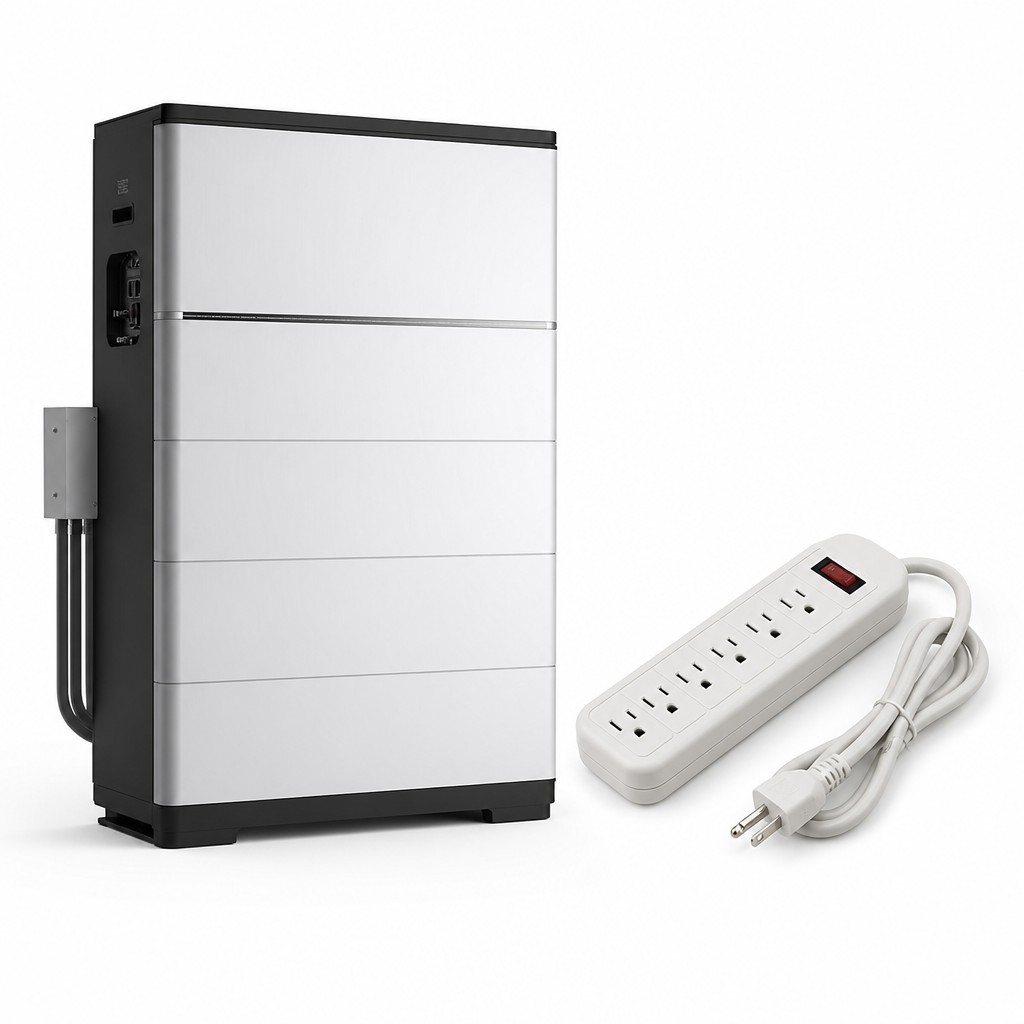
Home battery systems involve high-capacity electrical storage and require correct integration with the home's electrical panel, often including a transfer switch for backup power scenarios. This is specialized electrical work with genuine safety stakes — incorrect installation carries real fire and shock risk, which is why battery installation is essentially universally a licensed-electrician and certified-installer task.
Where "DIY" Realistically Applies
The closest most homeowners get to a DIY energy project is a portable solar generator or small standalone battery system for specific appliances during an outage — genuinely DIY-friendly, but a fundamentally different and much smaller-scale product than a whole-home solar and battery system.
Warranty and Performance Guarantees
Professional installers typically provide performance guarantees and workmanship warranties separate from manufacturer equipment warranties — meaningful for a system expected to perform for 20-25+ years. DIY installation forfeits these guarantees entirely, an important consideration given the long expected lifespan and significant upfront cost of a solar investment.
The Bottom Line
Solar and battery systems are one of the clearest cases where professional installation isn't just recommended for quality reasons — permitting, utility interconnection, and electrical safety requirements make licensed professional installation close to a practical necessity rather than an optional upgrade over DIY.