
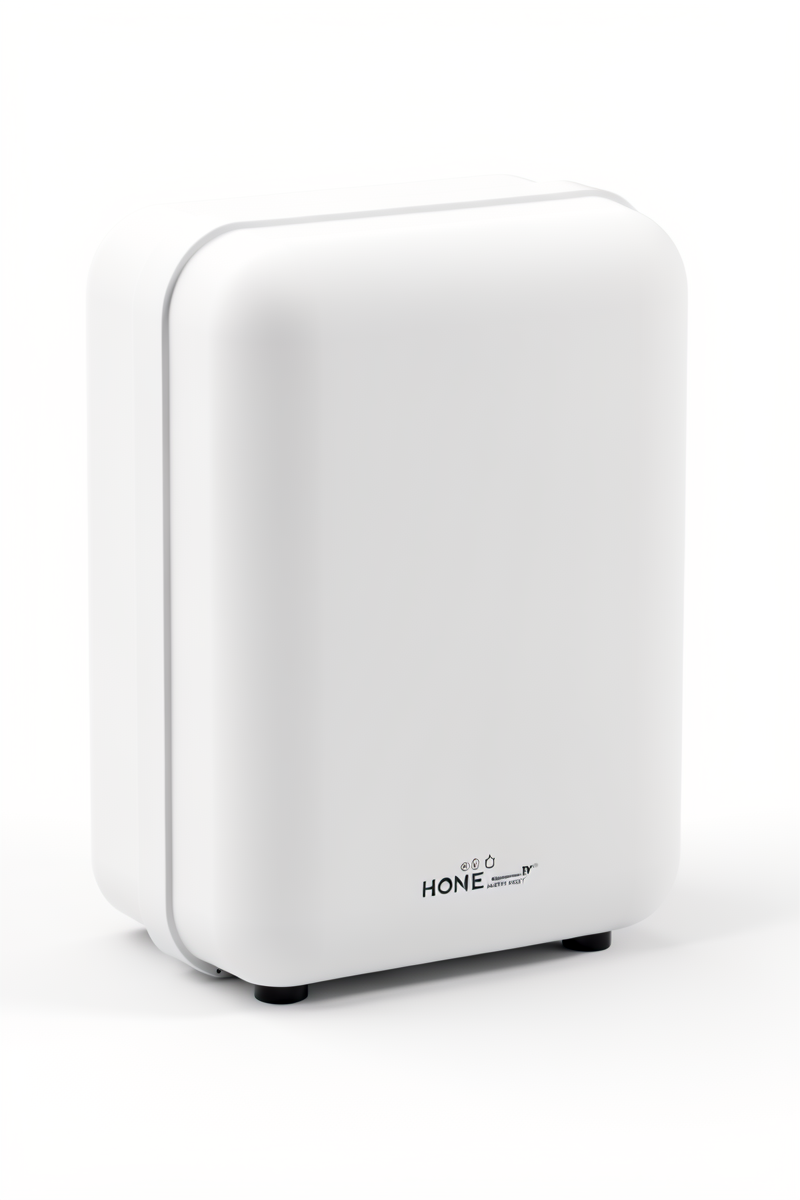
Battery backup has become a common addition to Florida solar installations specifically because of the state's real, recurring hurricane-season outage risk — but understanding what a battery actually covers (and for how long) matters before assuming it fully replaces grid power during an extended outage.
What a Battery Actually Backs Up
Most home battery systems are sized to back up a defined set of "essential" circuits — refrigeration, some lighting, network/communications equipment, and perhaps a few other priority circuits — rather than the entire home's electrical demand, unless a significantly larger (and more expensive) battery configuration is installed. Confirming exactly which circuits are covered, rather than assuming "whole home," is an important part of the buying decision.
Battery Capacity and Duration
Battery capacity is typically expressed in kilowatt-hours (kWh), and how long a battery lasts during an outage depends on both its capacity and how much load the backed-up circuits actually draw. A single battery unit might provide a day or more of essential-circuit backup under typical use, while extending both duration and coverage requires additional battery units — a real cost scaling consideration when planning for extended multi-day outages.
Solar-Charged vs. Grid-Charged Backup
Batteries paired with solar can recharge during daylight hours even during a grid outage (assuming the solar system is configured for this — not all are by default), extending effective backup duration indefinitely as long as there's daily sun. A battery without solar pairing only has the capacity it was charged with before the outage began, and won't recharge until grid power returns.
Battery vs. Generator
Batteries provide instant, silent backup power with no fuel to manage, but limited capacity unless significantly oversized. Generators (specifically automatic standby generators) provide more sustained power for a longer duration, provided fuel supply holds out, but with audible operation and, for gas-powered units, a dependency on fuel availability during an extended regional outage. Many homeowners in hurricane-prone areas pair both — battery for immediate, silent, and partial backup, generator for extended-duration whole-home coverage.
Battery Degradation Over Time
Like any battery technology, home batteries lose some capacity over their service life, typically rated for a specific number of charge cycles or a warrantied capacity retention percentage over 10-15 years. This is worth understanding as part of the warranty terms rather than assuming day-one capacity holds constant over the system's full life.
The Bottom Line
Battery backup is genuinely valuable for Florida's outage risk, but "worth it" depends on realistic expectations about which circuits are covered and for how long — confirming actual coverage scope during the design process avoids the common surprise of a battery running out faster than expected during an extended outage.